
Commercial property decisions often influence how businesses expand and operate in competitive markets. Burbank Commercial Real Estate attracts companies looking for practical locations with long term business potential. The area continues supporting office retail and mixed use development across active commercial districts. Investors and business owners evaluate market movement carefully before selecting properties. Strong planning and property research can improve operational success while reducing investment uncertainty.
Growing Market
Burbank has developed into a reliable commercial destination because of its strong connection to entertainment production, professional services and consumer activity. Businesses searching for stable commercial environments often consider the city because it supports both established companies and emerging brands. Consistent business movement across the region also contributes to steady commercial property demand.
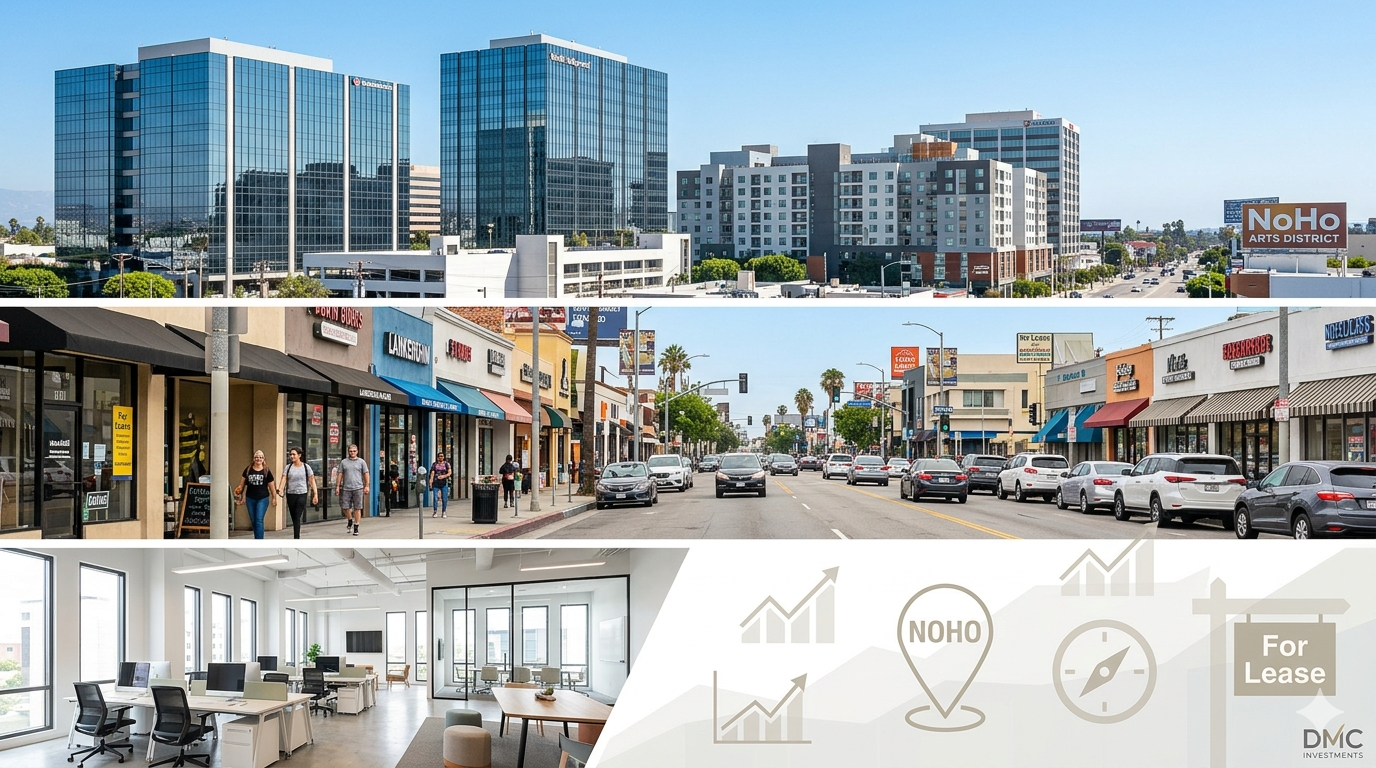
Commercial activity continues expanding through office modernization, retail redevelopment and flexible workspace concepts. Property owners increasingly focus on improving functionality to attract long term tenants. Renovated buildings with updated layouts and modern infrastructure often perform better in competitive leasing markets.
Business owners also value locations that provide visibility, accessibility and nearby customer activity. These factors influence leasing performance and overall property value over time.
Investment Benefits
Commercial investors often prioritize markets that combine stable occupancy with future development opportunities. Burbank offers several advantages that continue attracting attention from property buyers and business operators seeking sustainable returns.
Key investment considerations include:
Strong Business Presence supported by entertainment and professional industries
Flexible Property Options for office retail and mixed use development
Steady Leasing Activity driven by ongoing commercial demand
Location Accessibility connected to major transportation routes
These advantages help investors identify commercial properties with long term operational and financial value.
Tenant Priorities
Modern businesses look for properties that support efficient collaboration and customer convenience. Commercial spaces with adaptable layouts continue attracting interest because companies want environments that can evolve with operational changes. Flexible office structures and updated retail designs remain highly desirable across commercial districts.
Tenants also consider practical factors before signing long term leases. Parking accessibility, nearby amenities and building maintenance standards often influence leasing decisions. Commercial properties that meet these expectations may experience stronger occupancy consistency and tenant satisfaction.
Businesses entering competitive industries frequently seek manageable spaces that allow gradual growth without unnecessary overhead. This approach encourages demand for flexible commercial properties in developing business areas.
Property Features
Commercial property performance often depends on how well buildings meet changing business expectations. Investors and property owners continue modernizing spaces to remain competitive in evolving markets. Upgraded infrastructure and efficient layouts can improve tenant retention while supporting long term property value.
Important property features include:
Modern Interior Design supporting productivity and collaboration
Energy Efficient Systems reducing operational expenses
Accessible Parking Areas improving customer and employee convenience
Adaptable Floor Plans allowing future business expansion
These features contribute to stronger leasing appeal while helping businesses operate more efficiently within competitive industries.
Local Development
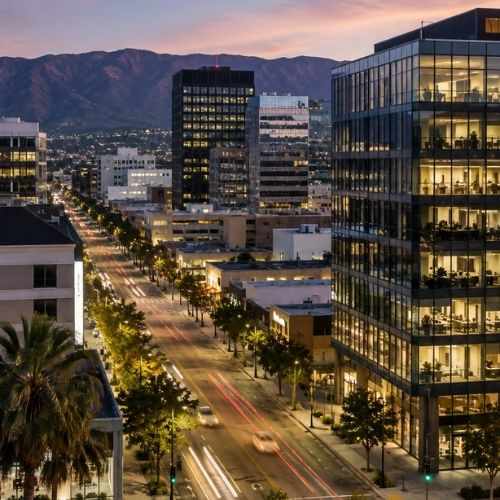
Development activity continues influencing the direction of commercial real estate across Burbank. Infrastructure improvements and property redevelopment projects often create additional opportunities for investors and business owners. Areas experiencing modernization may attract increased tenant demand because businesses prefer updated commercial environments.
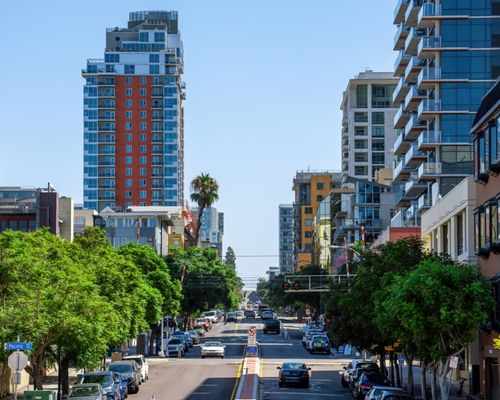
Mixed use developments also continue gaining popularity throughout the region. Combining residential office and retail functions within connected communities encourages customer activity and supports long term economic growth. Investors often view these projects as valuable because they create diversified income potential.
Local commercial growth is also supported by businesses seeking professional environments close to creative and entertainment industries. This demand contributes to ongoing leasing activity and property redevelopment across multiple commercial sectors.
Long Term Value
Commercial real estate decisions require careful evaluation of both present market conditions and future possibilities. Investors who focus on tenant demand, neighborhood development and operational flexibility often position themselves for stronger long term results. Businesses also benefit from selecting properties that align with changing industry expectations.
Market stability often depends on consistent planning and informed decision making. Understanding commercial trends, infrastructure improvements and business movement can help reduce risk while improving investment confidence. Strong property strategies create opportunities for sustainable growth and operational consistency over time.
Final Thoughts
DMC Real Estate recognizes that successful commercial property investments depend on planning research and awareness of changing market conditions. Businesses and investors benefit from understanding tenant expectations, property flexibility and neighborhood development before making decisions. Careful evaluation supports stronger long term outcomes and operational stability. Consistent attention to commercial trends helps create reliable opportunities within competitive business environments across growing local markets today.







Write a comment ...